What a productive meeting we had on Tuesday from agreeing to fund university studies for one of our Kenya students, approving the running of a Thermomix raffle to raise funds for My Home, and our change in method for the Foodbank collections. We also had a brief discussion on the possibility of the club being involved in a joint mini forests project that would be undertaken with other interested clubs in our community group (read more below).
We currently have 59 people (including club members) attending the Voluntary Assisted Dying presentation to be held on Wednesday 17th September. If you haven't registered yet, please register on the Trybooking websitehere asap.
Make sure you are at Leederville Sporting Club at 5:30pm Wednesday to help set up for the event. Have your best smiles on to greet our guests. Wear your club badge or t-shirt so we are easily recognisable.
If you have some time beforehand, there is an introductory session on how the mini forest process works at the Floreat Athena Soccer Club at 4:00pm. The timing isn't great for our club, however, it would be useful if a few members can get there.
___________
Adopt a Spot
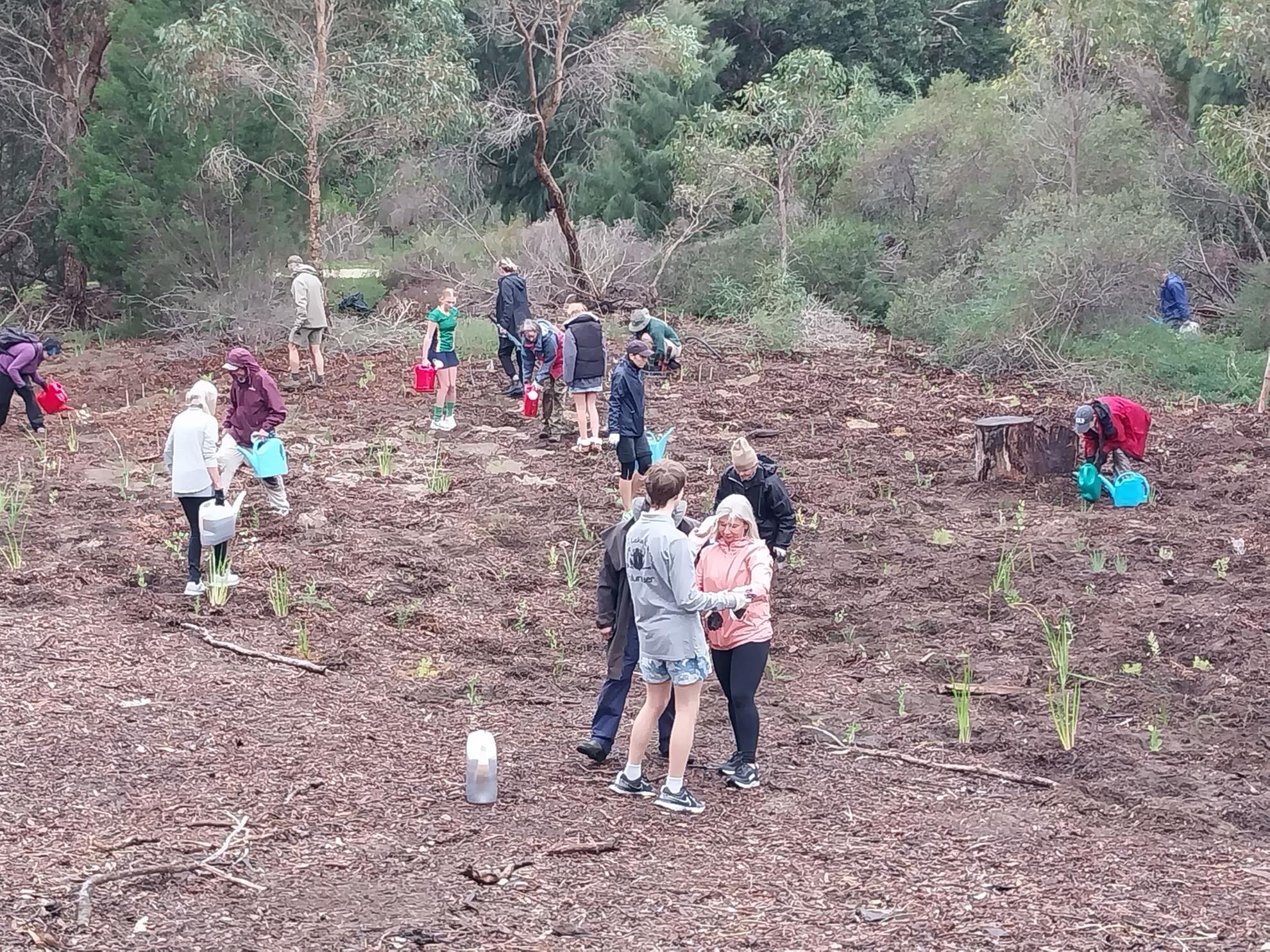
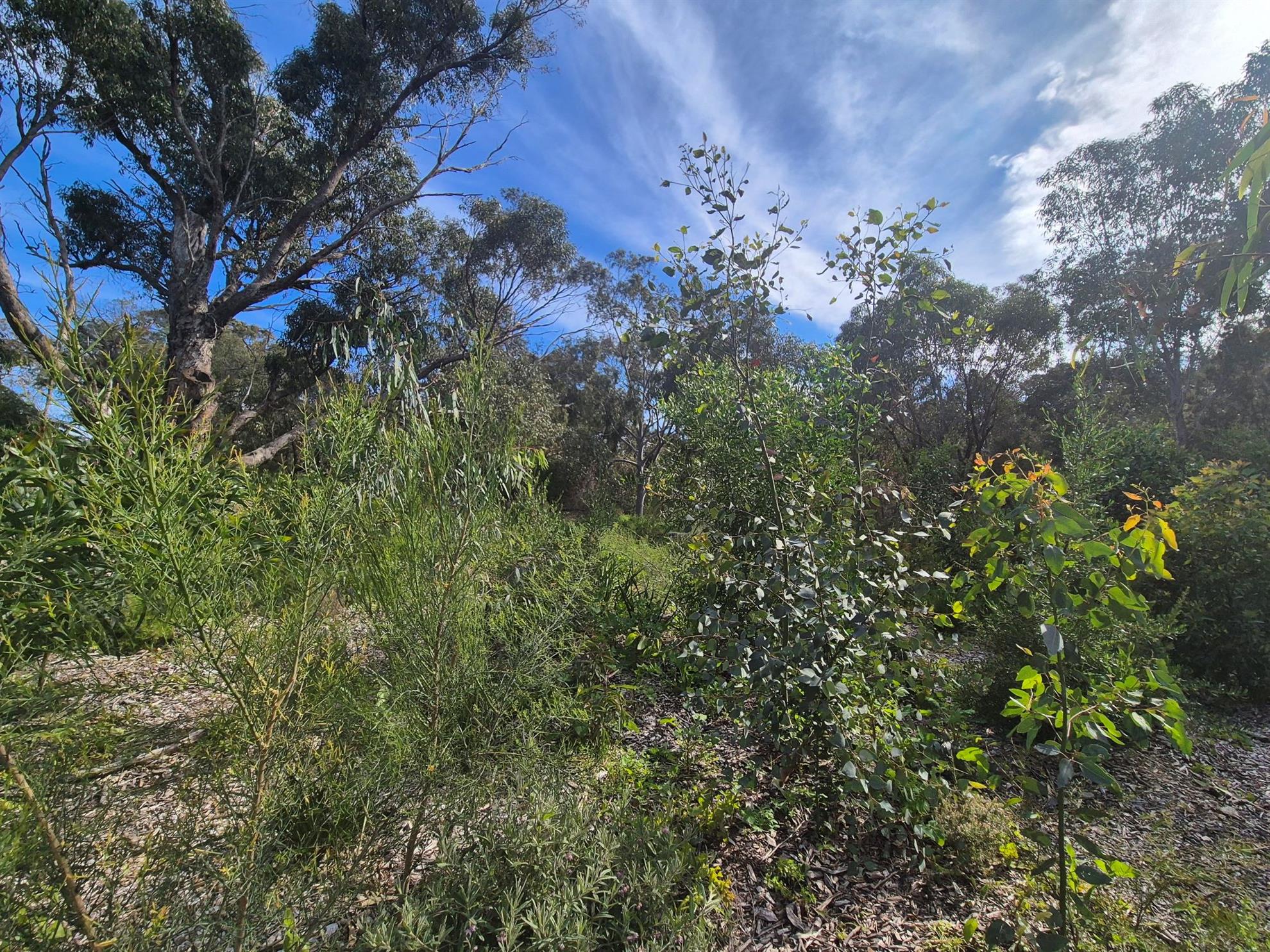
From this to this
September 2024 to September 2025
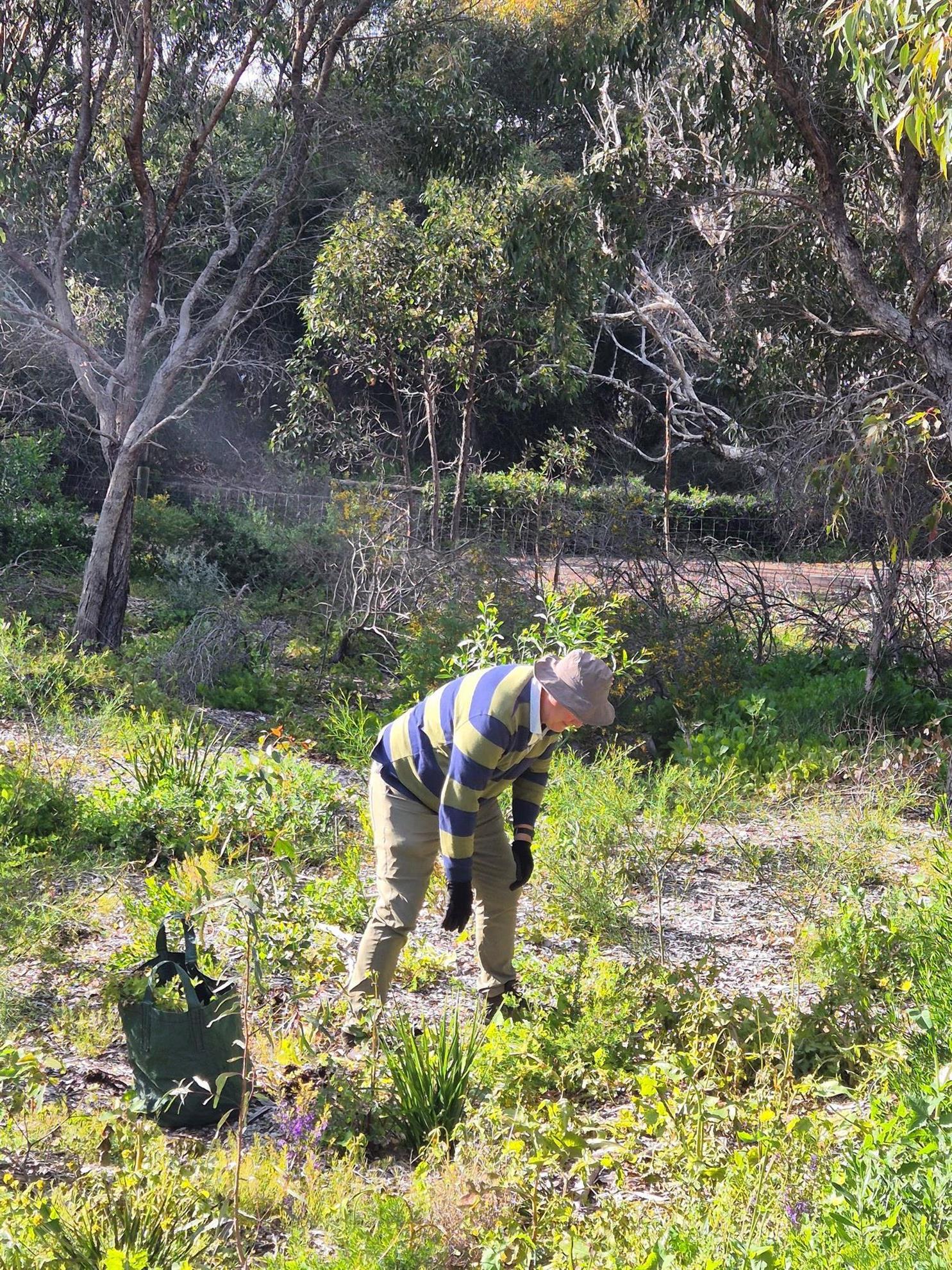
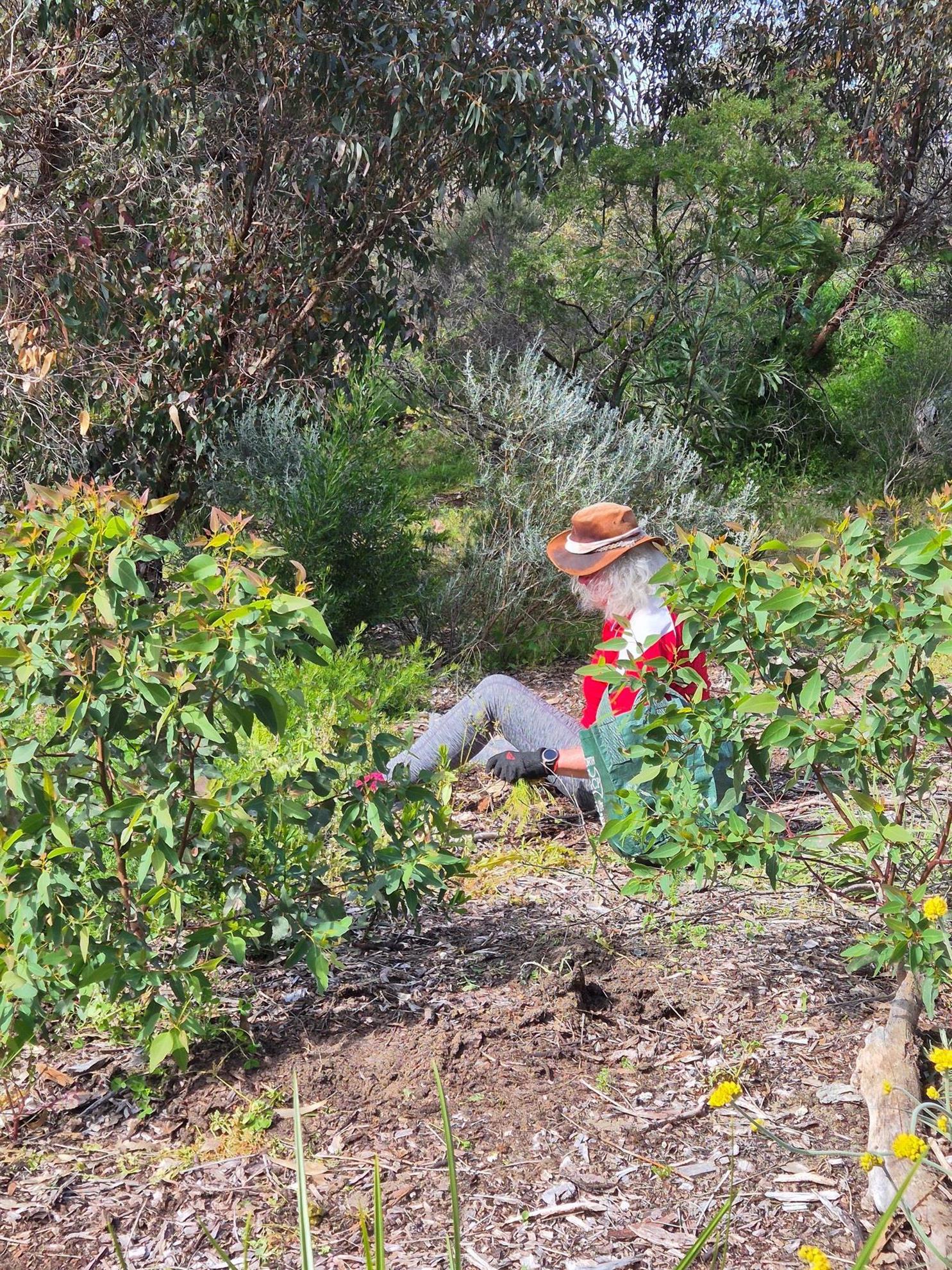
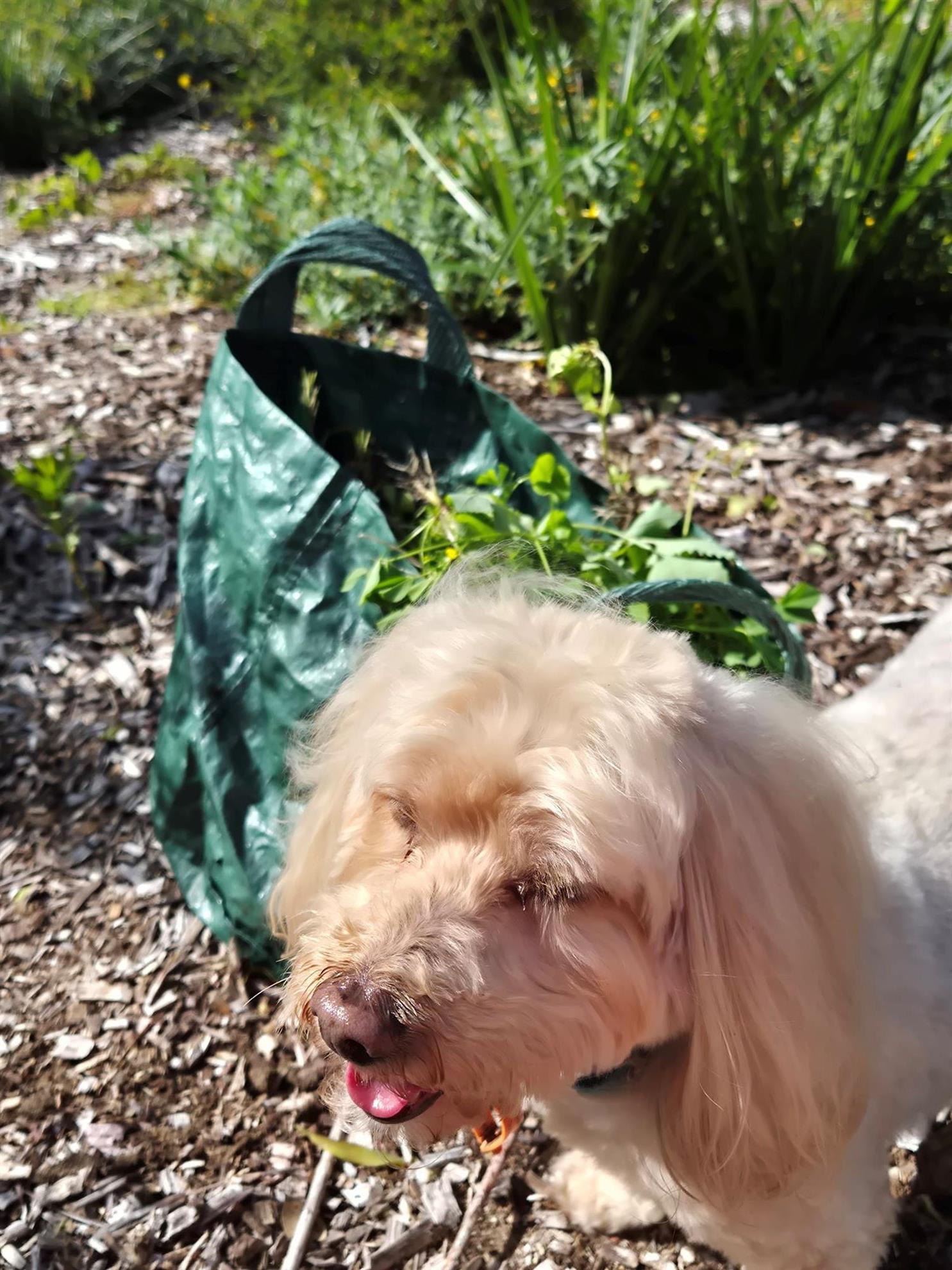
Jane, David and I did some weeding at our Adopt a Spot on Friday morning and couldn't believe the difference 12 months has made to the area we planted last year.
Well done US! Western Endeavour making a difference to our environment.
Some information about the Mini Forests (Miyawaki) for a joint Rotary project
A Miyawaki forest is a small, densely planted forest created using the Miyawaki method, which was developed by Japanese botanist Dr. Akira Miyawaki to rapidly restore native forests on degraded land. Key principles include preparing soil, planting a high diversity of native species at high densities (about 3-5 plants per square meter), and allowing the plants to grow quickly and naturally. These mini-forests can mature up to 10 times faster than traditional forests and are excellent for urban environments, improving biodiversity, sequestering carbon, and creating wildlife habitats.
The Miyawaki Method Steps
1. Soil Preparation:
The soil is prepared and enriched with organic material to create optimal conditions for plant growth.
2. Species Selection:
Only native plant species, including various trees, shrubs, and ground cover, are chosen for their ability to thrive in the local area.
3. Dense Planting:
The selected plants are planted very closely together (3-5 plants per square meter) to simulate a natural forest's multi-layered structure.
4. Growth and Succession:
The dense planting and varied species lead to rapid growth, with plants competing for light and creating a canopy within a year.
5. Maintenance:
Initial soil enrichment, watering, and weeding are necessary, but after a few years, the forest becomes self-sustaining.
Benefits of Miyawaki Forests
Rapid Growth:
They mature significantly faster than traditional forests, with the potential to form a quasi-natural forest in just a few decades.
High Biodiversity:
By planting many native species, these forests create rich habitats and offer continuous food sources for wildlife.
Urban Greening:
They can transform small, unused urban spaces into dense "pocket forests," enhancing biodiversity and reducing urban heat.
Carbon Sequestration:
The dense planting and rapid growth allow for higher carbon sequestration rates per square meter compared to traditional forests.
Ecosystem Restoration:
The method restores native ecosystems by creating wildlife corridors and reintroducing natural processes.


 ____________